
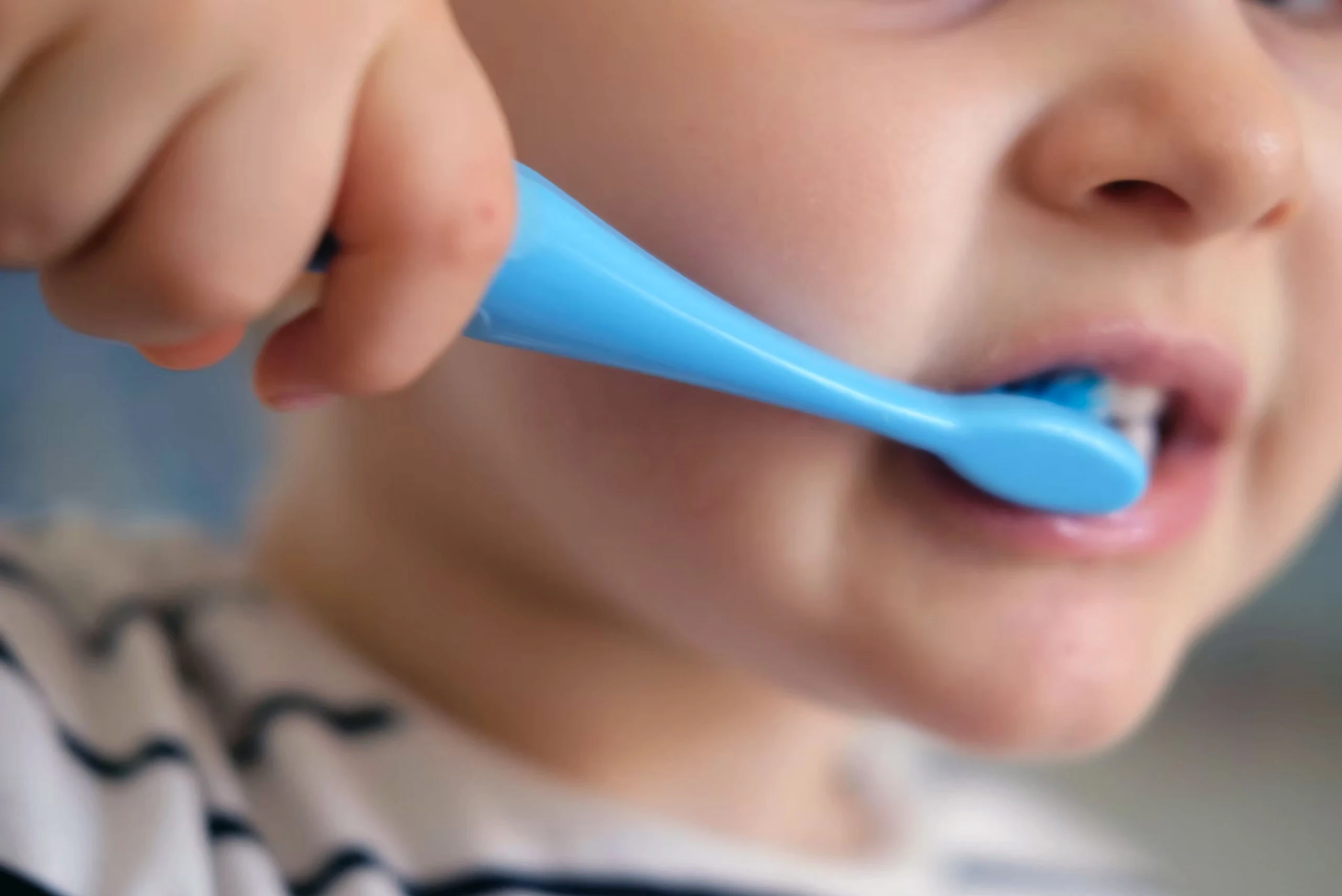
It's one of the most common questions we get: "Should I switch to an electric toothbrush?" The short answer is that both can work well — but the details matter more than you might think.
The case for electric toothbrushes
Electric toothbrushes have some genuine advantages backed by research:
- More consistent brushing motion — Oscillating or sonic heads deliver thousands of strokes per minute, far more than manual brushing can achieve.
- Built-in timers — Most electric brushes include a two-minute timer, helping you brush for the recommended duration.
- Less effort required — The brush does the work, which is especially helpful for people with arthritis, limited dexterity, or carpal tunnel.
- Better plaque removal — Multiple studies show electric brushes remove slightly more plaque than manual brushes, particularly along the gumline.
The case for manual toothbrushes
Manual brushes aren't obsolete — far from it:
- Effective when used properly — With good technique and a full two minutes of brushing, a manual brush can clean just as well.
- Affordable and accessible — No charging, no replacement heads, no upfront investment.
- Travel-friendly — Lighter, smaller, and doesn't need a power outlet.
- Full control — You can feel exactly how much pressure you're applying.
“The best toothbrush is the one you'll actually use — consistently and correctly. Technique matters more than technology.”
— Dr. Goli Khorsandian
What the research says
A comprehensive review published in the Cochrane Database found that powered toothbrushes with an oscillating-rotating action reduced plaque by 11% and gingivitis by 6% compared to manual brushes over a three-month period. The difference is real, but modest.
The takeaway: electric brushes offer a small but measurable advantage, especially for people who struggle with manual brushing technique.
Who benefits most from electric?
We especially recommend electric toothbrushes for:
- People with braces or other orthodontic appliances
- Older adults with reduced hand mobility
- Children who find electric brushes more engaging
- Anyone who tends to brush too hard (pressure sensors help prevent this)
- Patients with gum disease who need more thorough plaque control
Brushing technique tips (either way)
Regardless of which brush you choose, these fundamentals apply:
- Brush for a full two minutes, twice daily
- Hold the brush at a 45-degree angle to the gumline
- Use gentle pressure — brushing harder doesn't mean brushing better
- Replace your brush (or brush head) every three months, or sooner if the bristles are frayed
- Don't forget your tongue — bacteria accumulate there too
Our recommendation
If you're willing to invest in an electric toothbrush, it can provide a slight edge in plaque removal and make it easier to brush consistently. But a well-used manual brush with proper technique is still effective. The most important thing is that you're brushing twice a day, flossing daily, and visiting your dentist regularly.
Have questions about your brushing routine? Ask us at your next visit.
Book Appointment